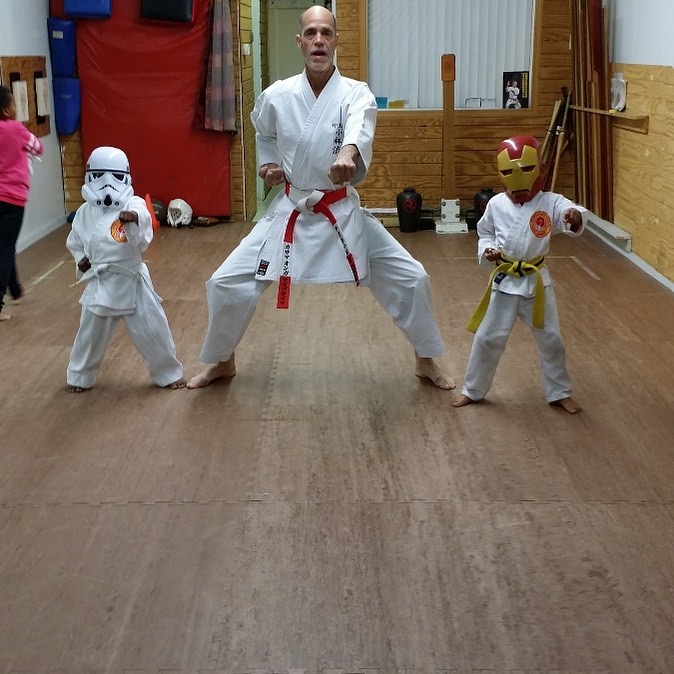
Real karate.Real discipline.Real life change.
Welcome to Kassama's Karate Studio — Baltimore's authentic Okinawan 小林流 Shōrin-Ryū dojo. Taught by Sensei Kassama, trained in direct Okinawan lineage. For kids, teens, adults & families at 2604 Banister Rd.
"If you are looking for an instructor with loads of experience, knowledge, skill, and wisdom, you need to contact this martial arts school. You will find everything you need to lead you to a healthier …"

"If you are looking for an instructor with loads of experience, knowledge, skill, and wisdom, you need to contact this martial arts school. You will find everything you need to lead you to a healthier …"
Not a belt factory. A real dojo.
For three decades, Sensei Kassama has trained Baltimore families in authentic Okinawan Shōrin-Ryū — the original karate, taught the way it was meant to be taught. No gimmicks. No watered-down curriculum. Just real skill, earned the right way.
Authentic Lineage
Direct Okinawan Shōrin-Ryū tradition — preserved, not diluted.
Family Atmosphere
Train alongside your kids. We build community, not just students.
Real Self-Defense
Practical skills that work in the real world — not just on a mat.
Character First
Discipline, focus, and respect carry into school, work, and home.
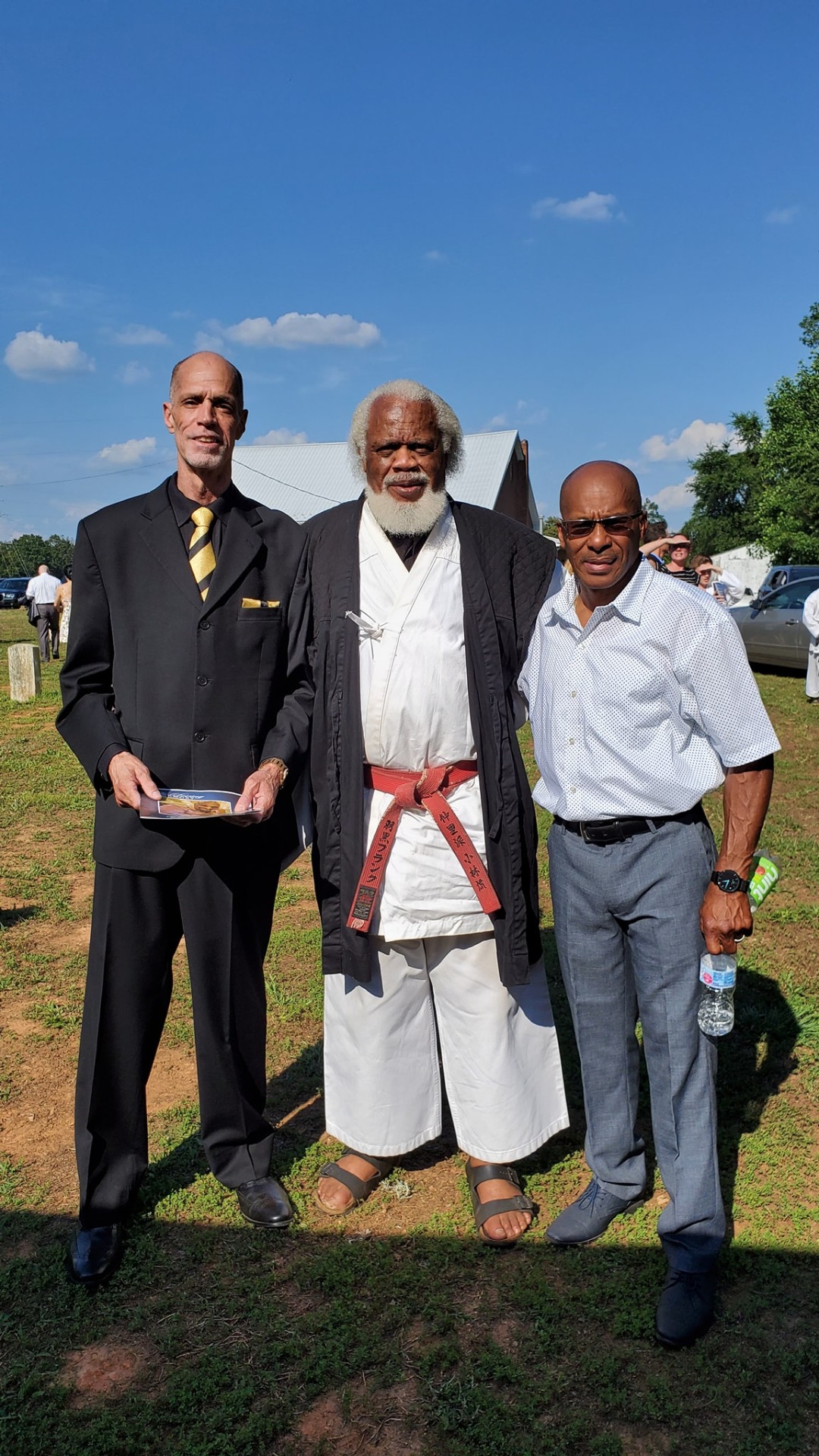
Trained directly in Okinawa. Brought home to Baltimore.
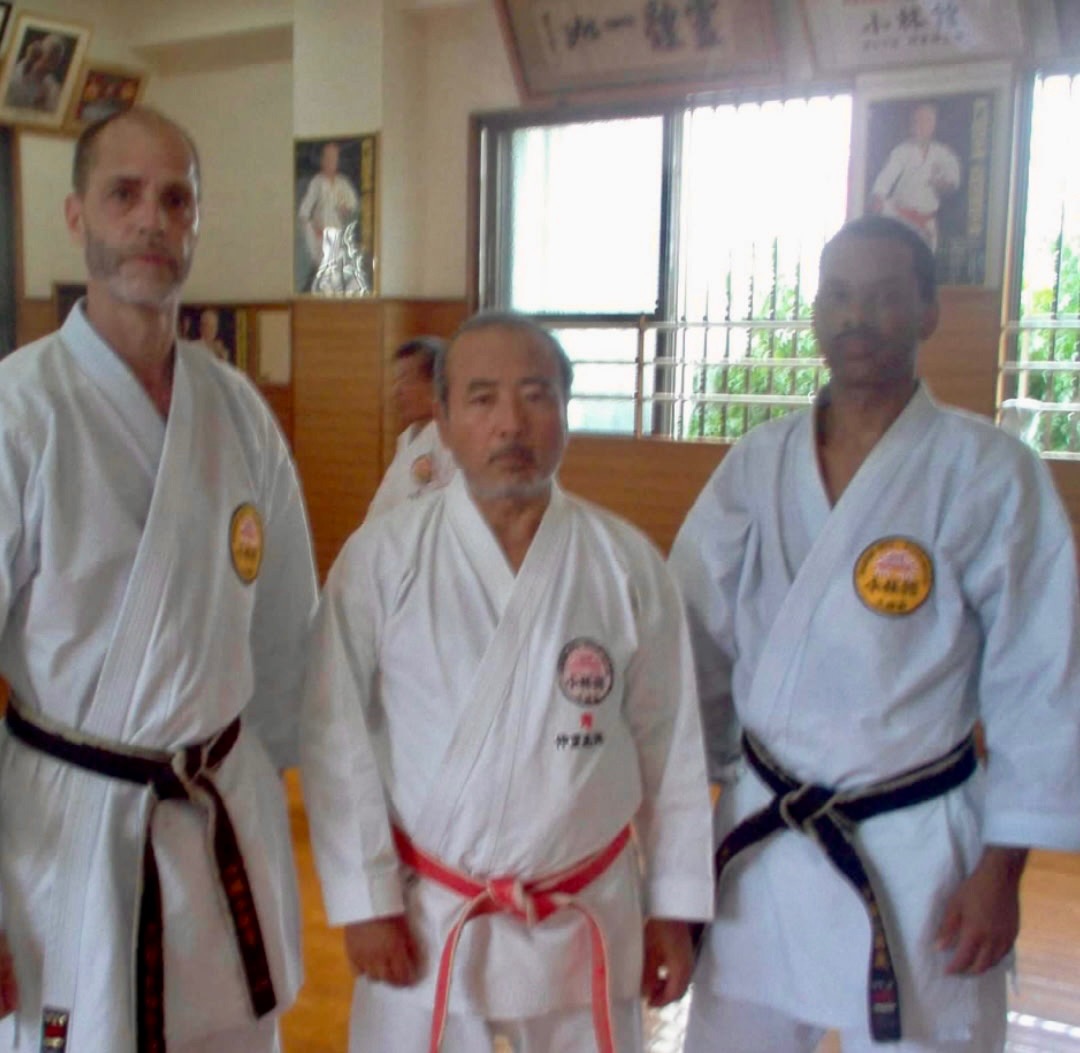
This photograph — taken in a small Okinawan dojo halfway across the world — is more than a snapshot. It's the reason Kassama's Karate Studio exists. Sensei Kassama trained under Okinawan masters in the birthplace of karate itself, earning rank the old way: through sweat, respect, and time on the floor.
Every stance, every kata, every lesson he teaches in Baltimore today is a direct thread back to that tradition. When your child trains here, they aren't learning a franchise curriculum — they're inheriting a lineage carried personally from Okinawa to Banister Road.
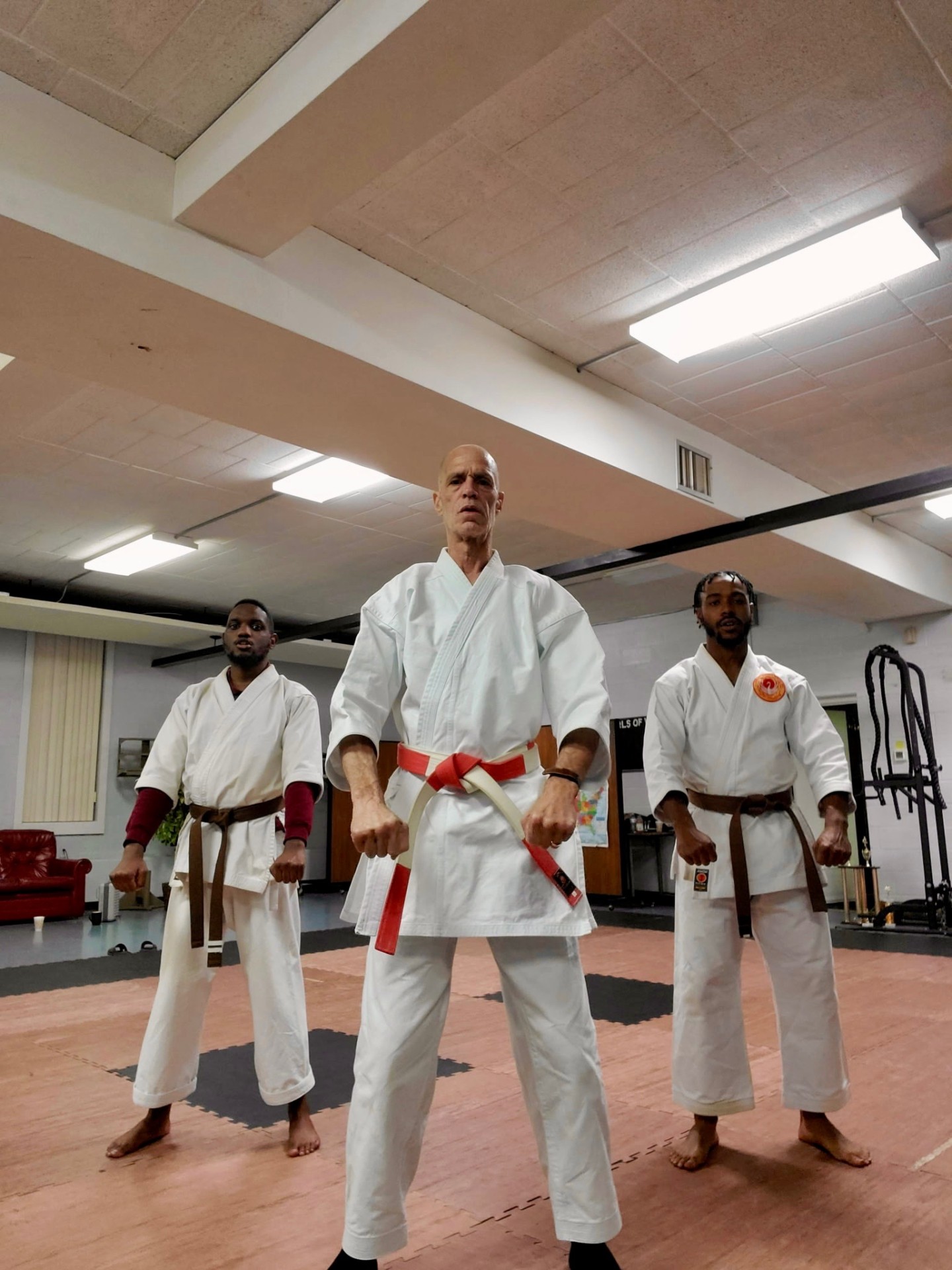
The red belt is not a rank. It's a vow.
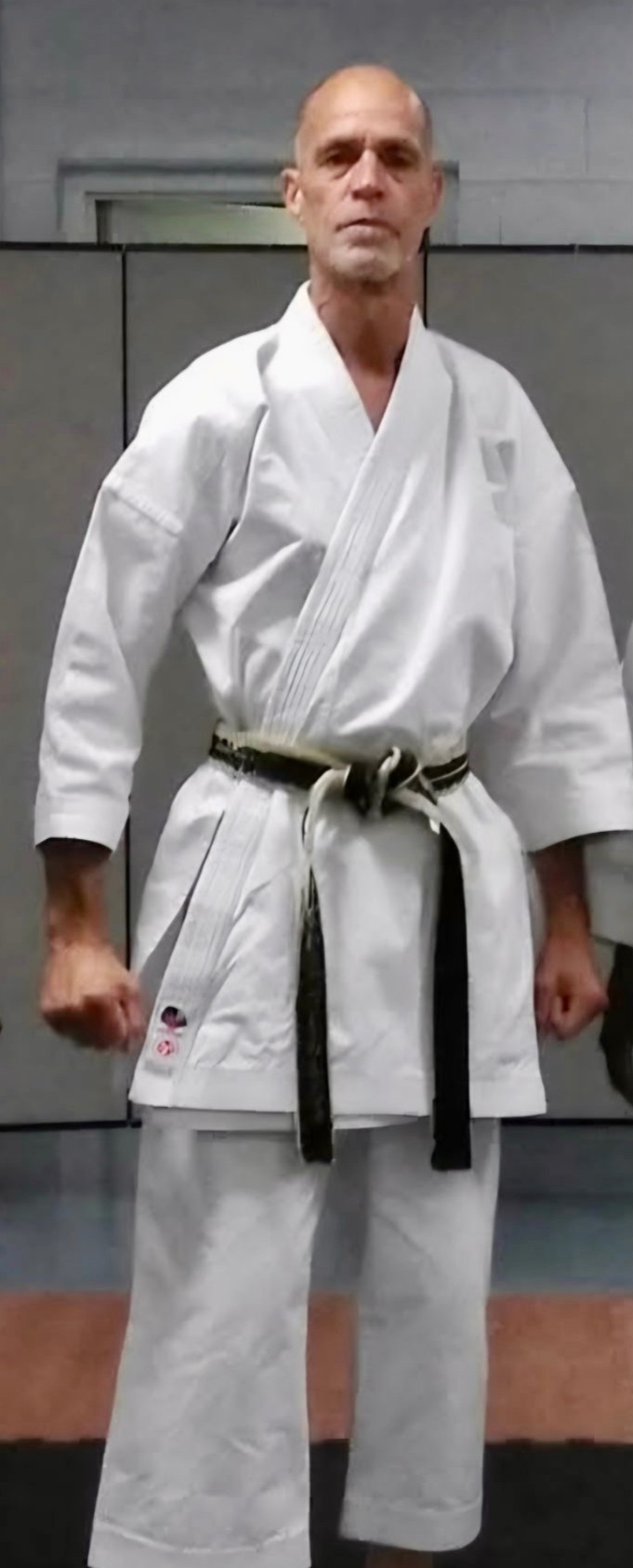
In Okinawan tradition, the red belt is reserved for those who have given their entire lives to the art — masters who have taught long enough to become guardians of the lineage itself. Sensei Kassama wears it not as decoration, but as a daily reminder of what he owes the next generation of Baltimore students.
When you walk into Kassama's, you don't just train under an instructor. You train under a man who carries decades of accumulated knowledge — kata, kobudō, philosophy, self-defense, and the unwritten code of the dojo — and considers it his honor to hand it to you.
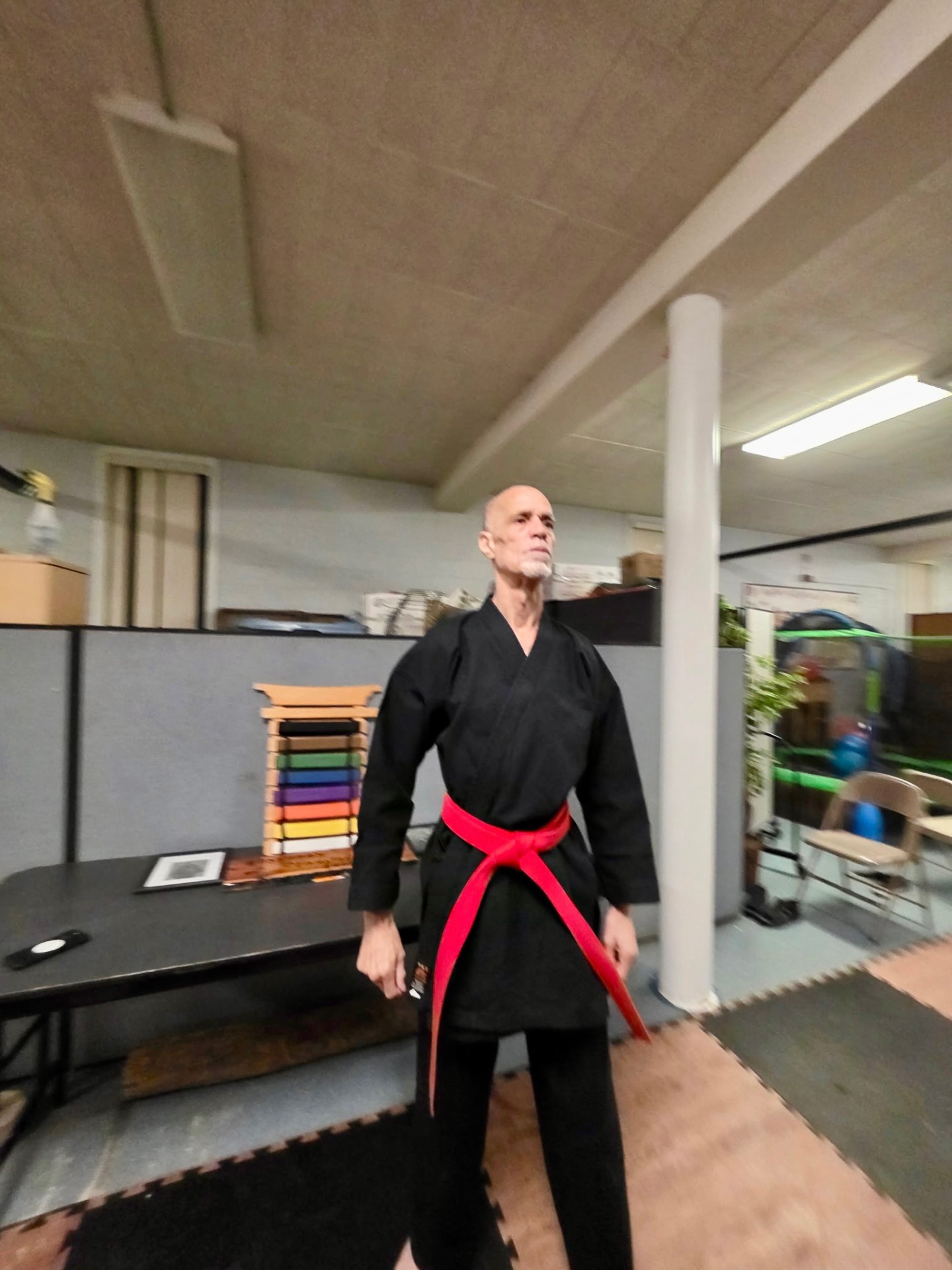
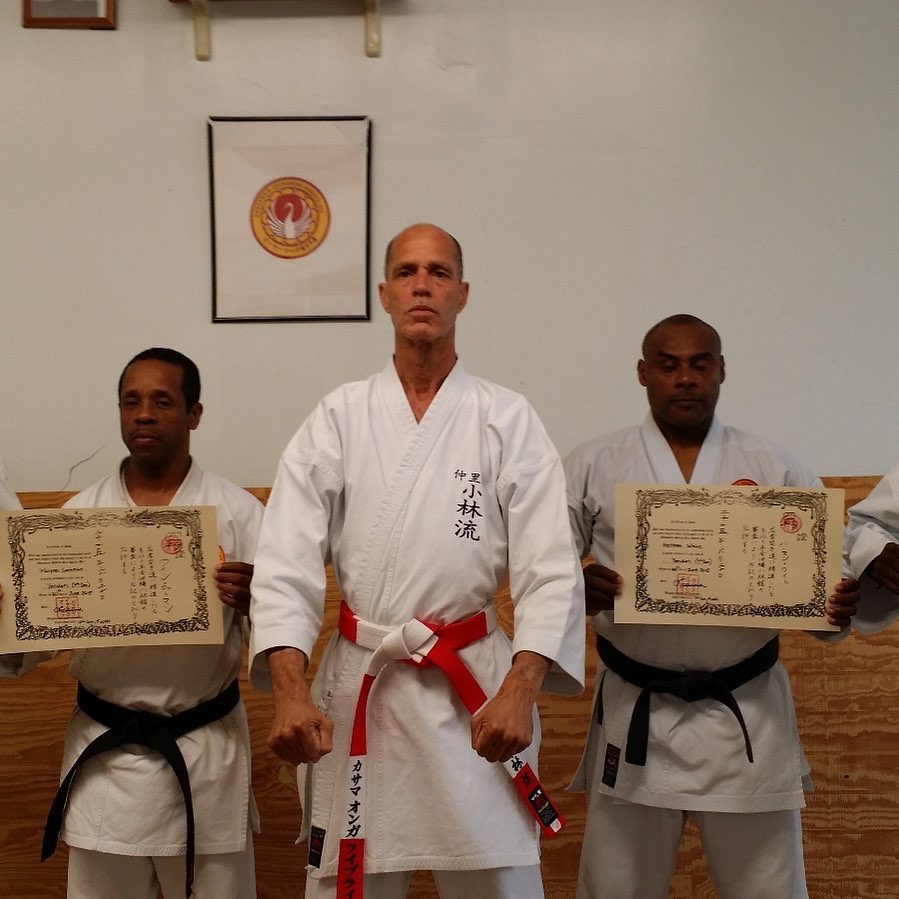
At Kassama's, a black belt means something.
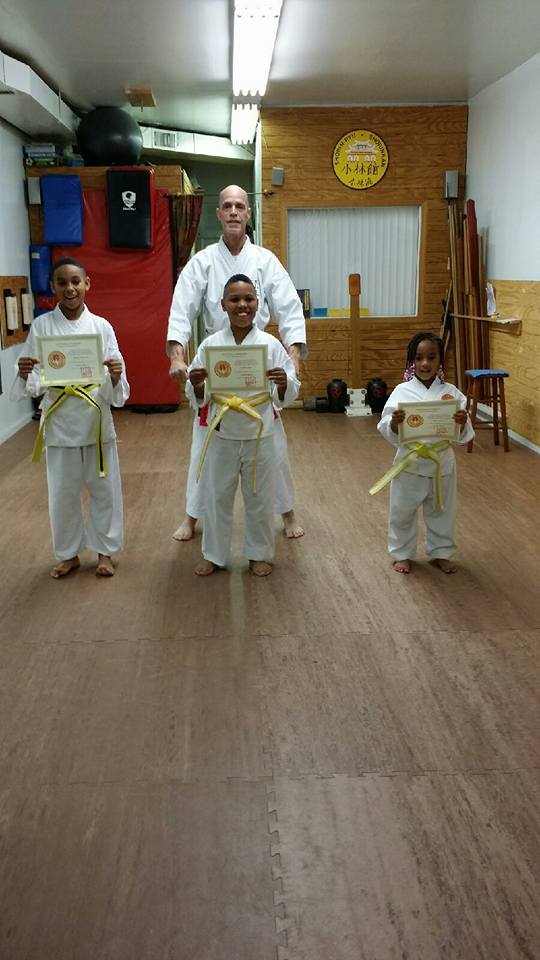
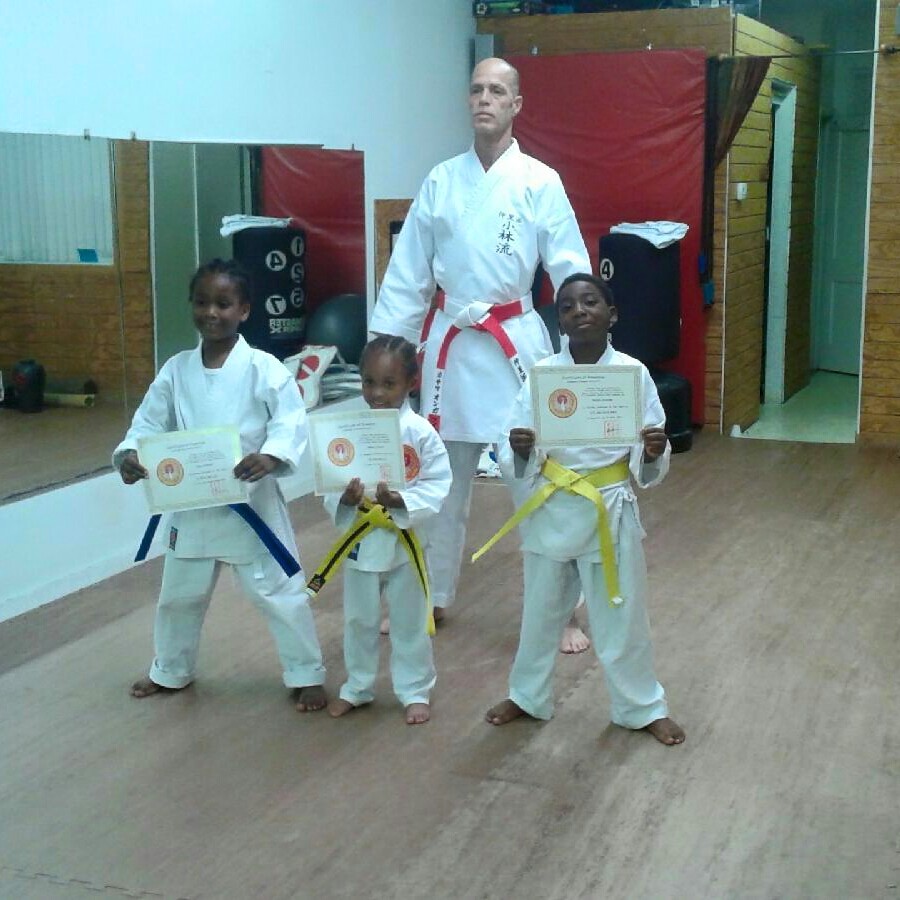
Look closely at the certificates in their hands — handwritten in kanji, sealed in red, the same way they have been issued in Okinawa for generations. There is no shortcut to this moment. Five years. Ten years. As long as it takes to be ready. That's how a black belt should feel — heavy with everything you went through to earn it.
Every belt is earned. Every belt is remembered.
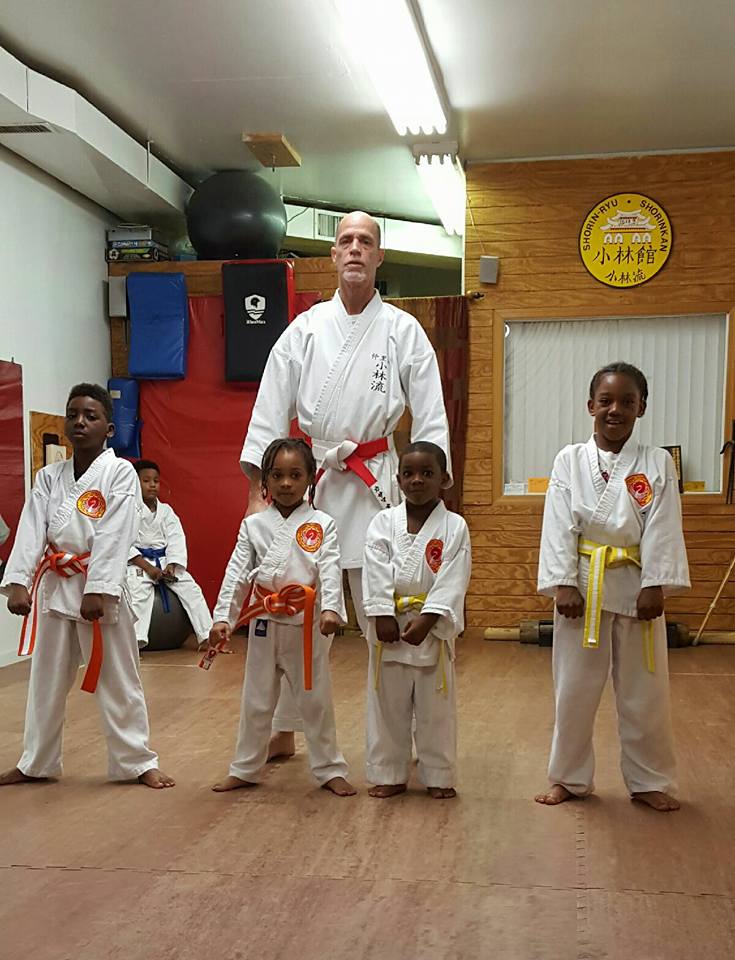
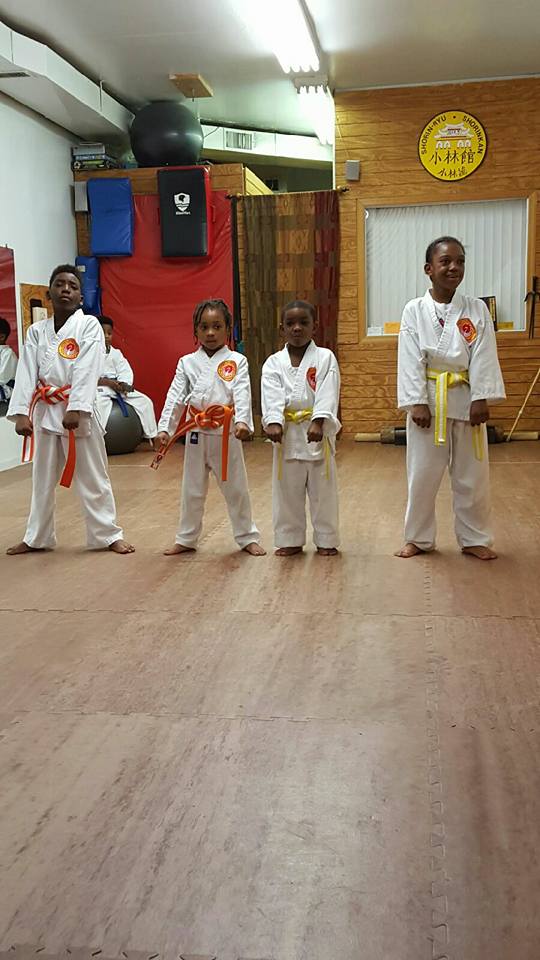
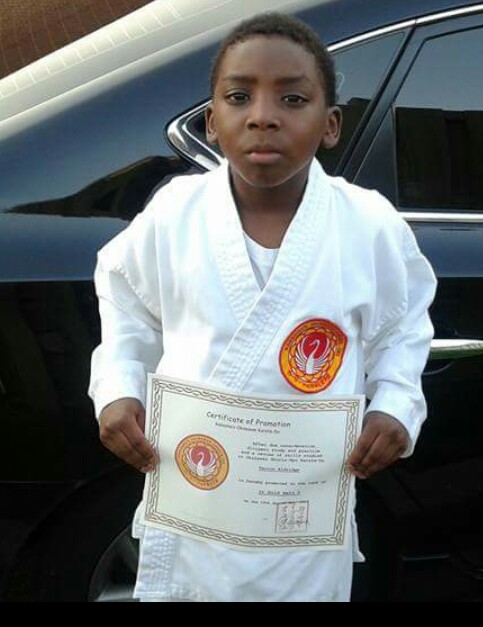
Look at their faces. That's not a participation trophy — that's pride. These three young warriors just earned their yellow belts the traditional way: full stance, full kata, full spirit. In front of the whole dojo. In front of Sensei Kassama.
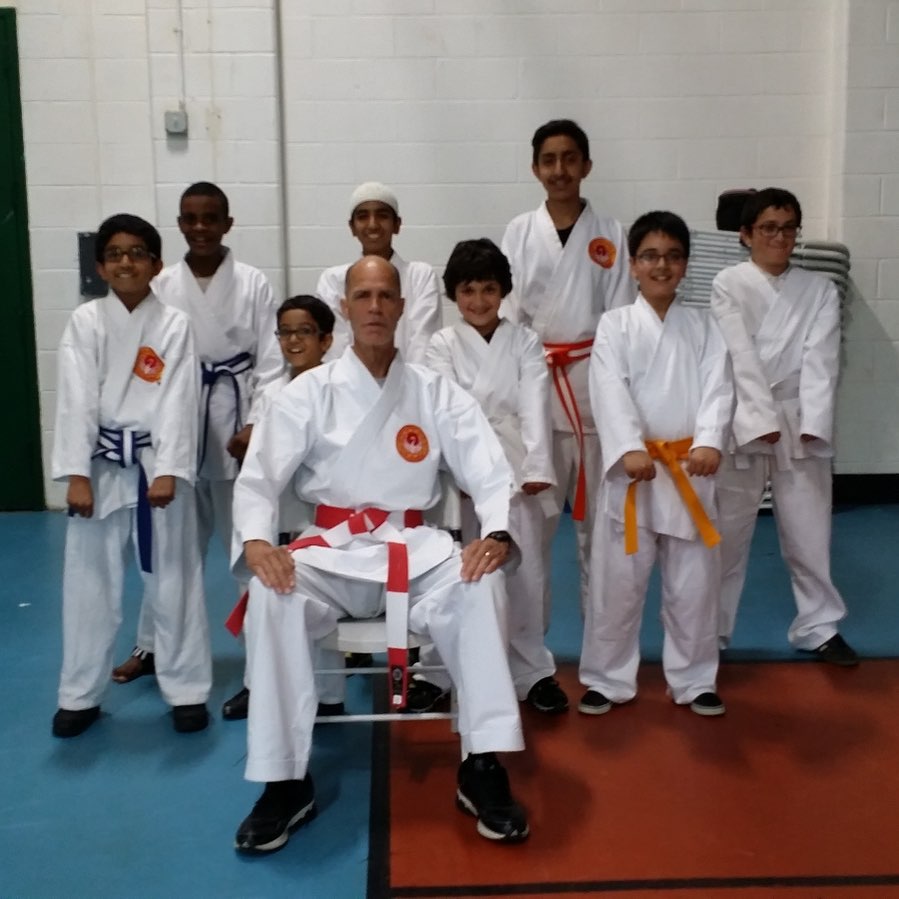
At Kassama's, promotions aren't scheduled every 8 weeks like a subscription service. A belt is awarded when a student is truly ready — and that means the belt means something. Parents tell us these ceremonies are moments their kids carry for years.
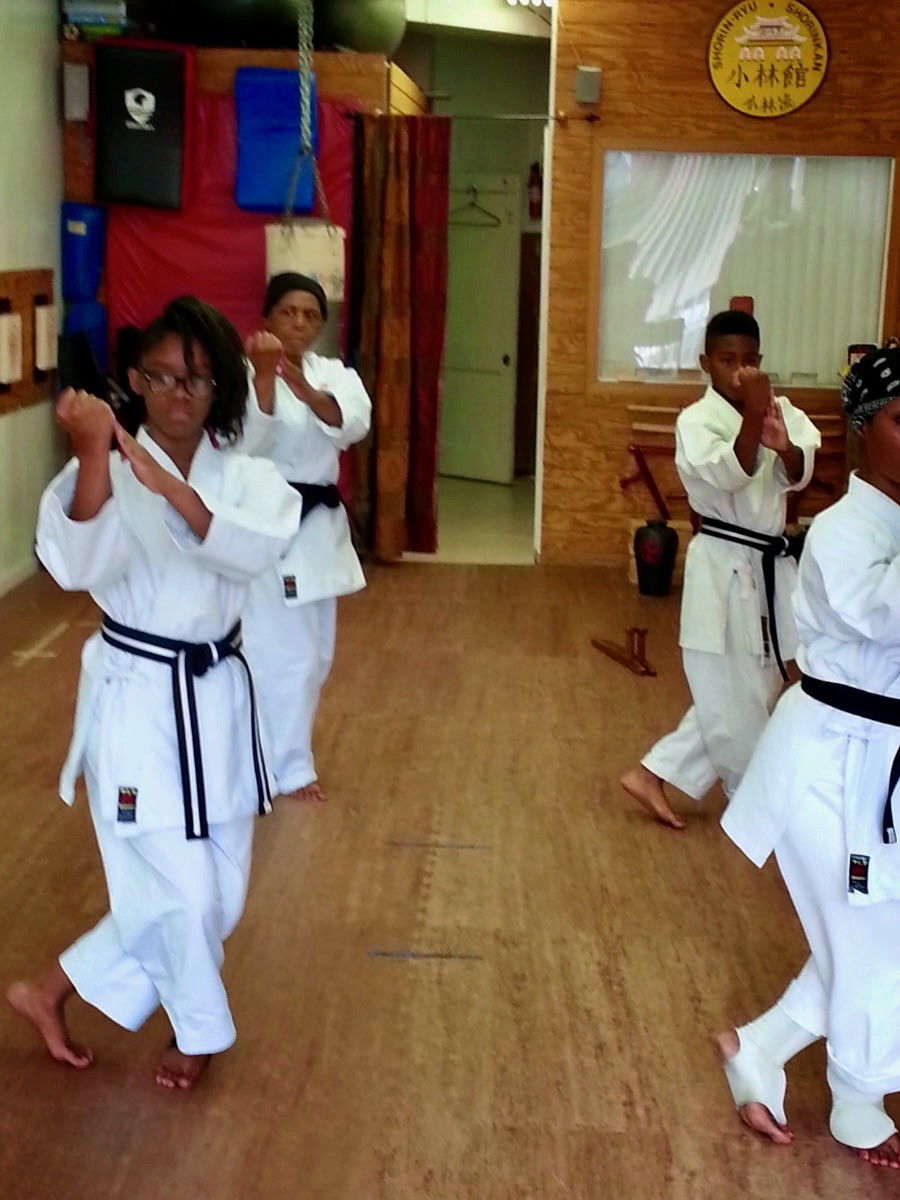
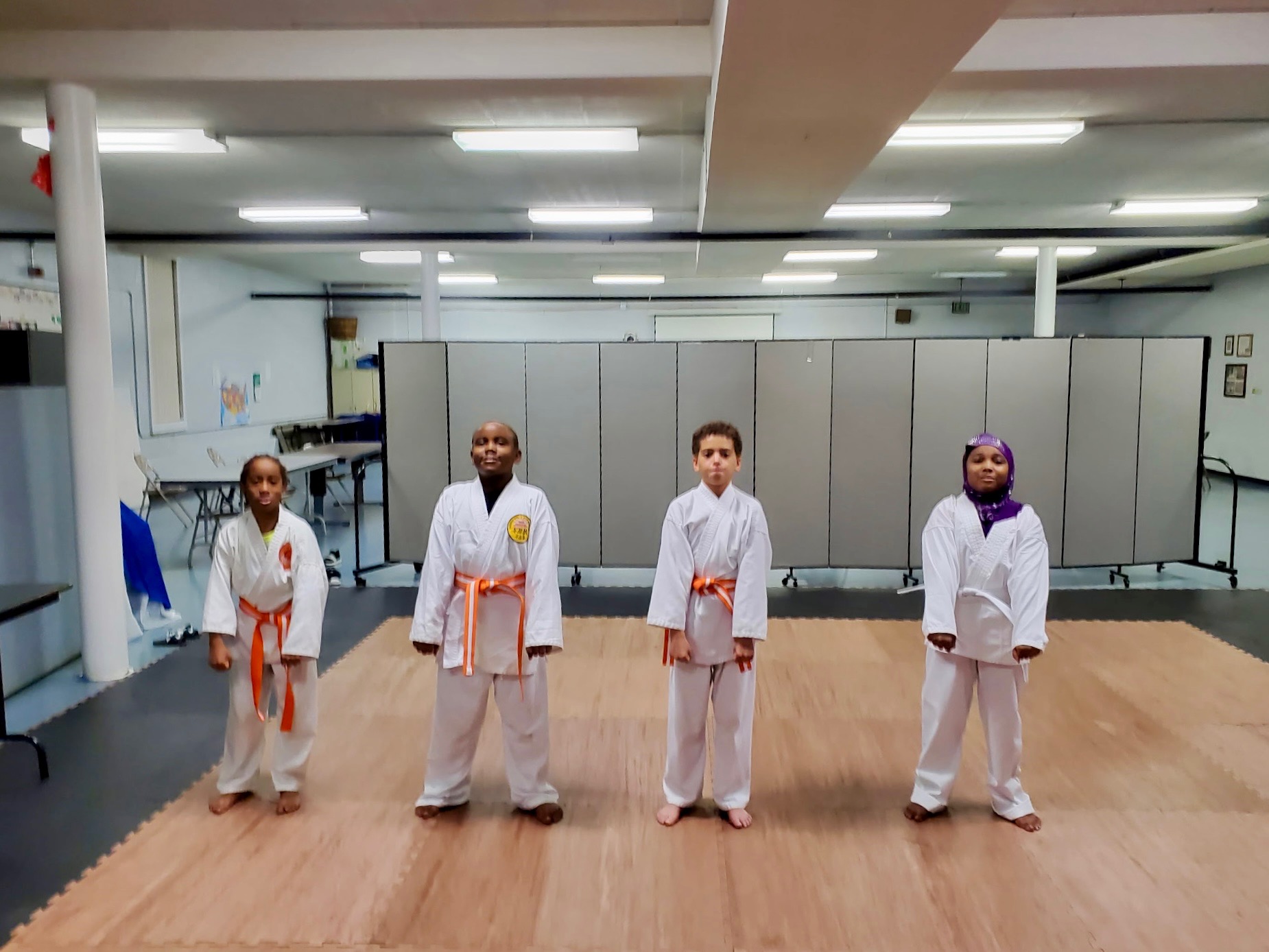
Four students. One breath.
This is what kata looks like at Kassama's — sharp, synchronized, alive. White gi. Black belts tied tight. Stances locked. Every fist exactly where it needs to be. You're not watching a class. You're watching a tradition that has been practiced the same way, by the same lineage, for hundreds of years.
Kata is the soul of Okinawan karate — a moving library of every block, strike, throw, and lock the art has ever known. Every student here learns them the right way: slowly, carefully, until the body remembers what the mind no longer needs to think.
Every square is sacred. Every step is earned.
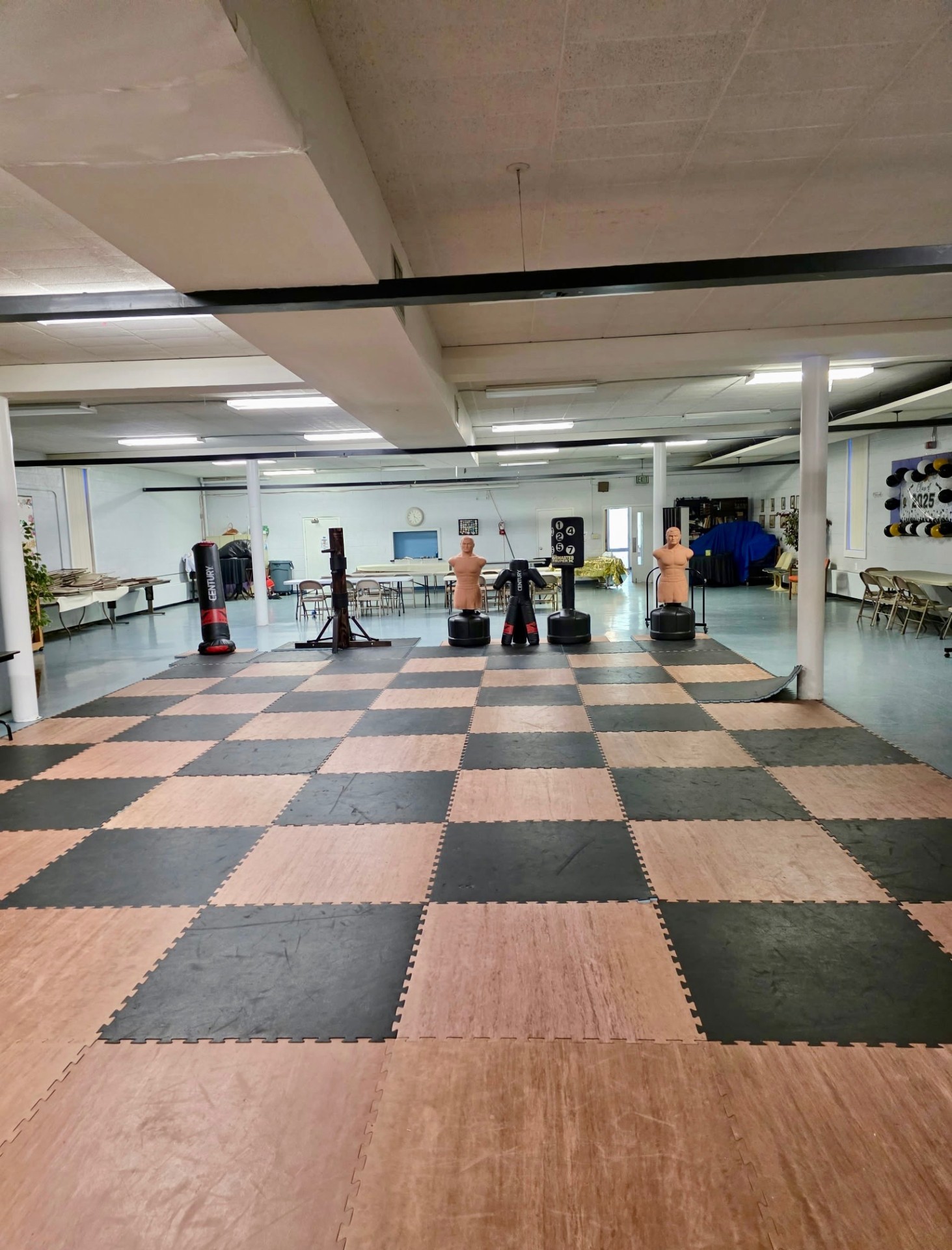
Black and tan. Interlocked. Perfectly squared. Our main training floor was laid by hand — tile by tile — to give every student a true Okinawan training surface under their feet. This is where Baltimore steps into the lineage.
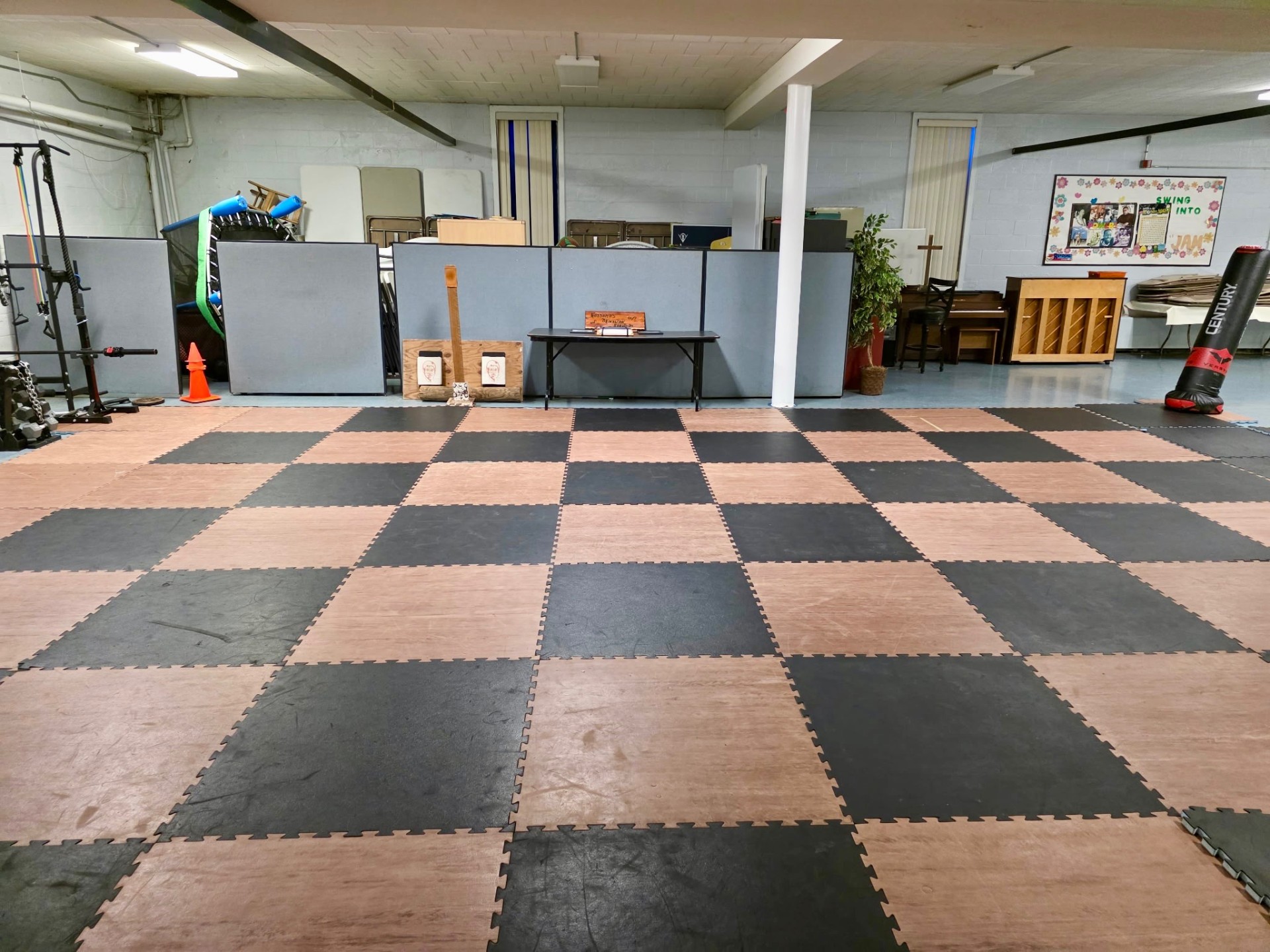
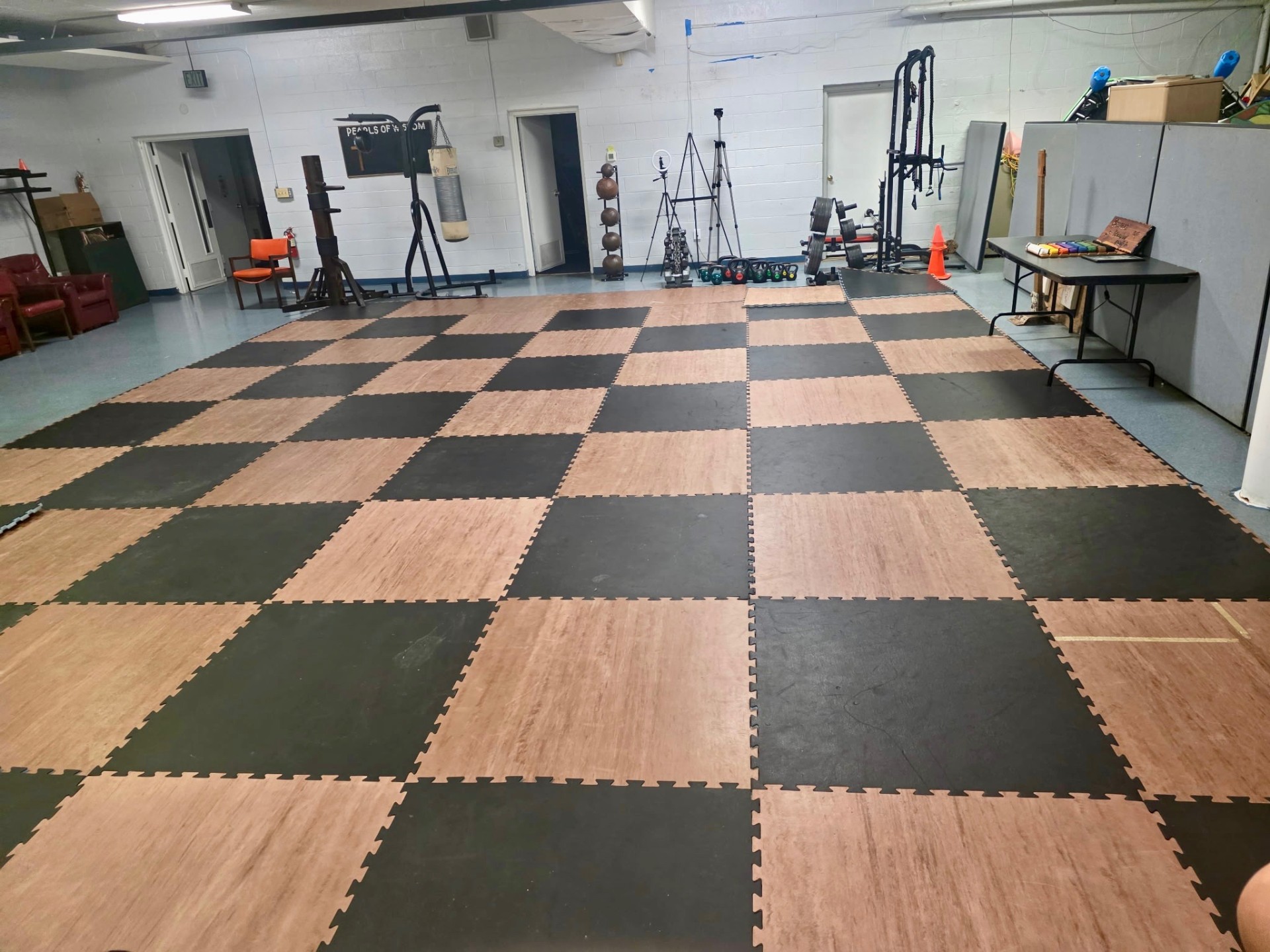
Forgiving enough for first-day students. Honest enough for black belts. Wide open so kata, kumite, and kobudō all have room to breathe.
Heavy bags. Speed bags. Standing opponents.
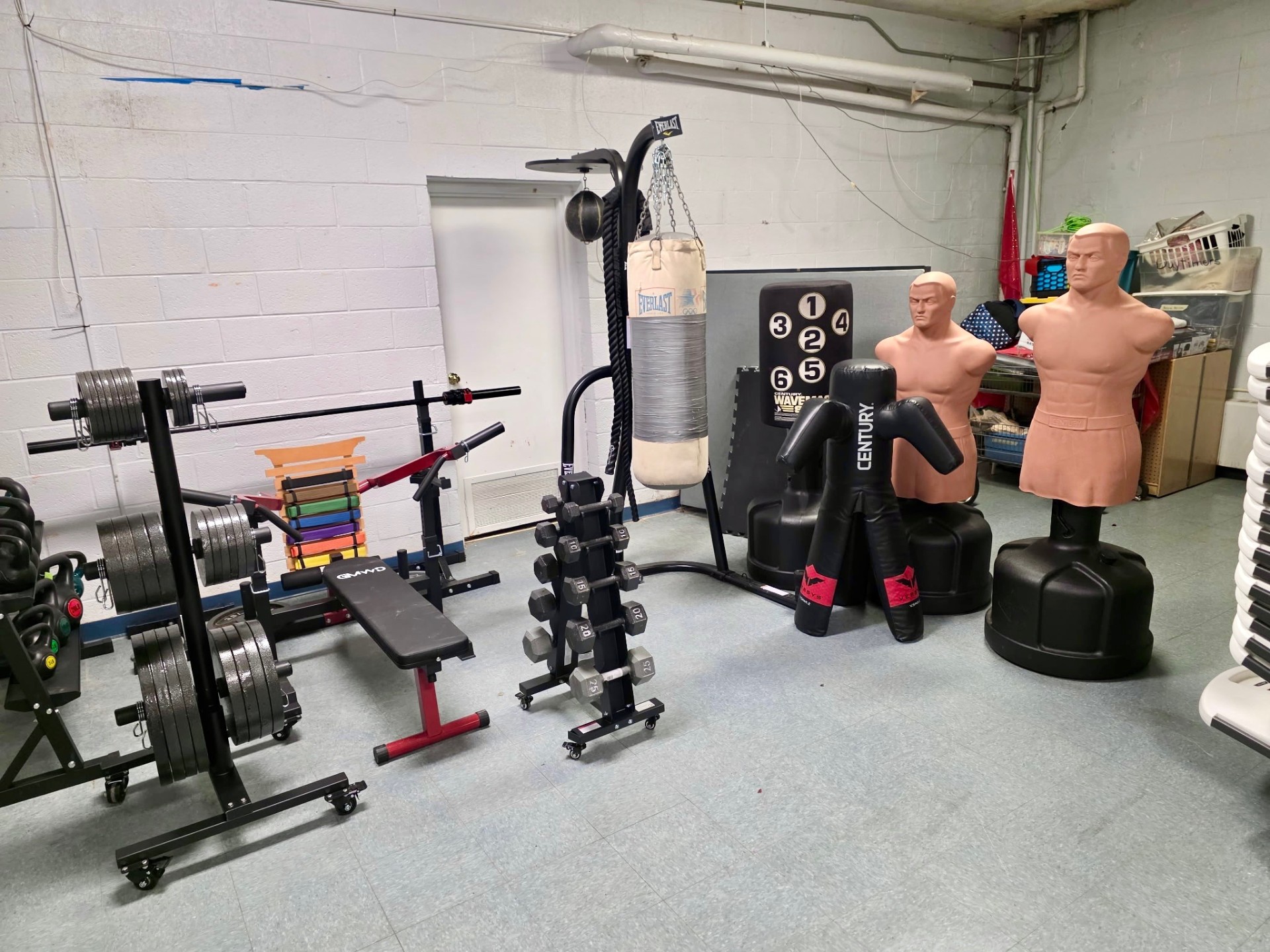
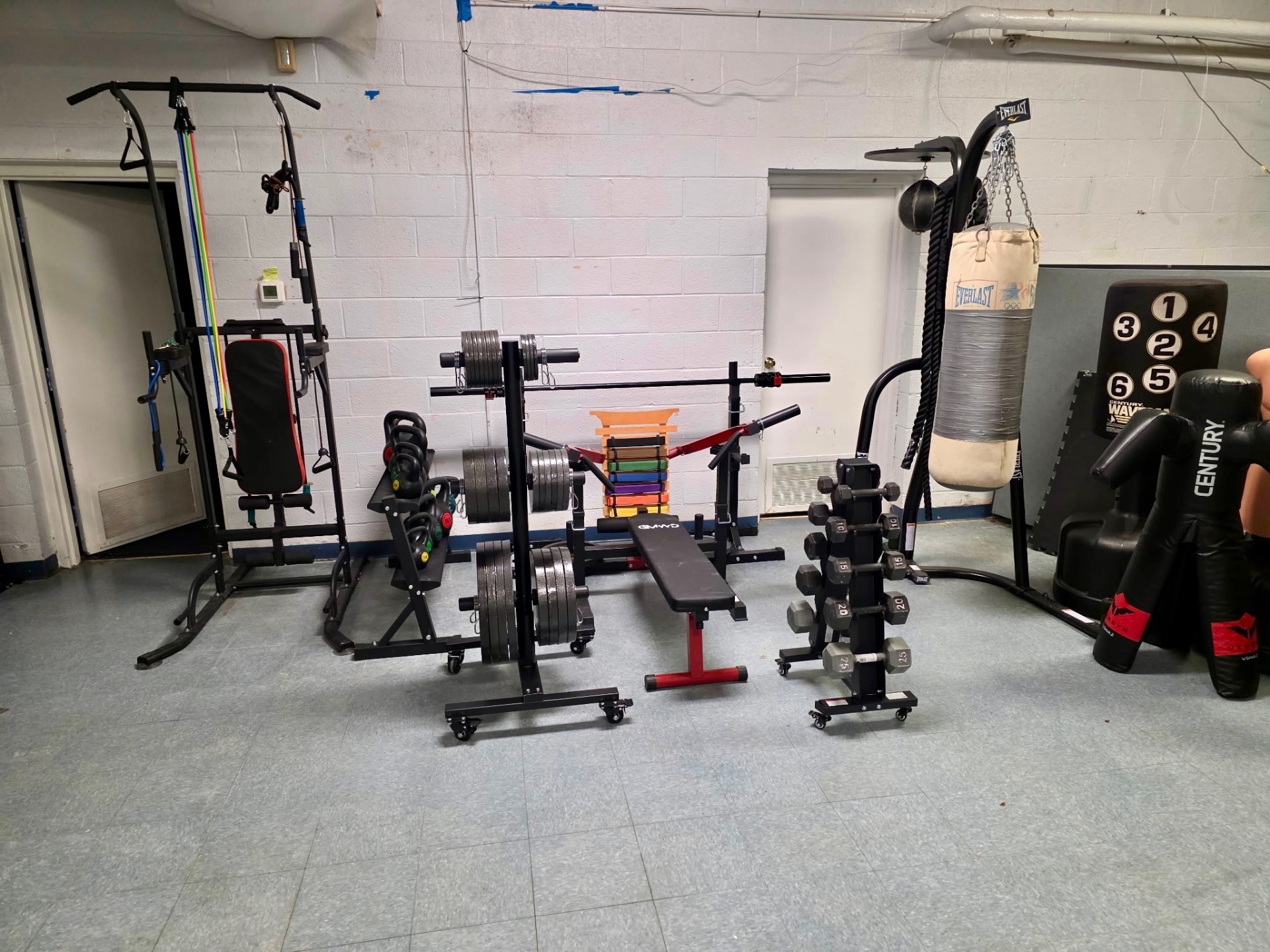
Kassama's isn't a karate room. It's a full martial arts laboratory. Everlast heavy bags. Speed bags. Striking dummies. Wave-master numbered targets. Every tool a student needs to translate stance and form into real-world power.
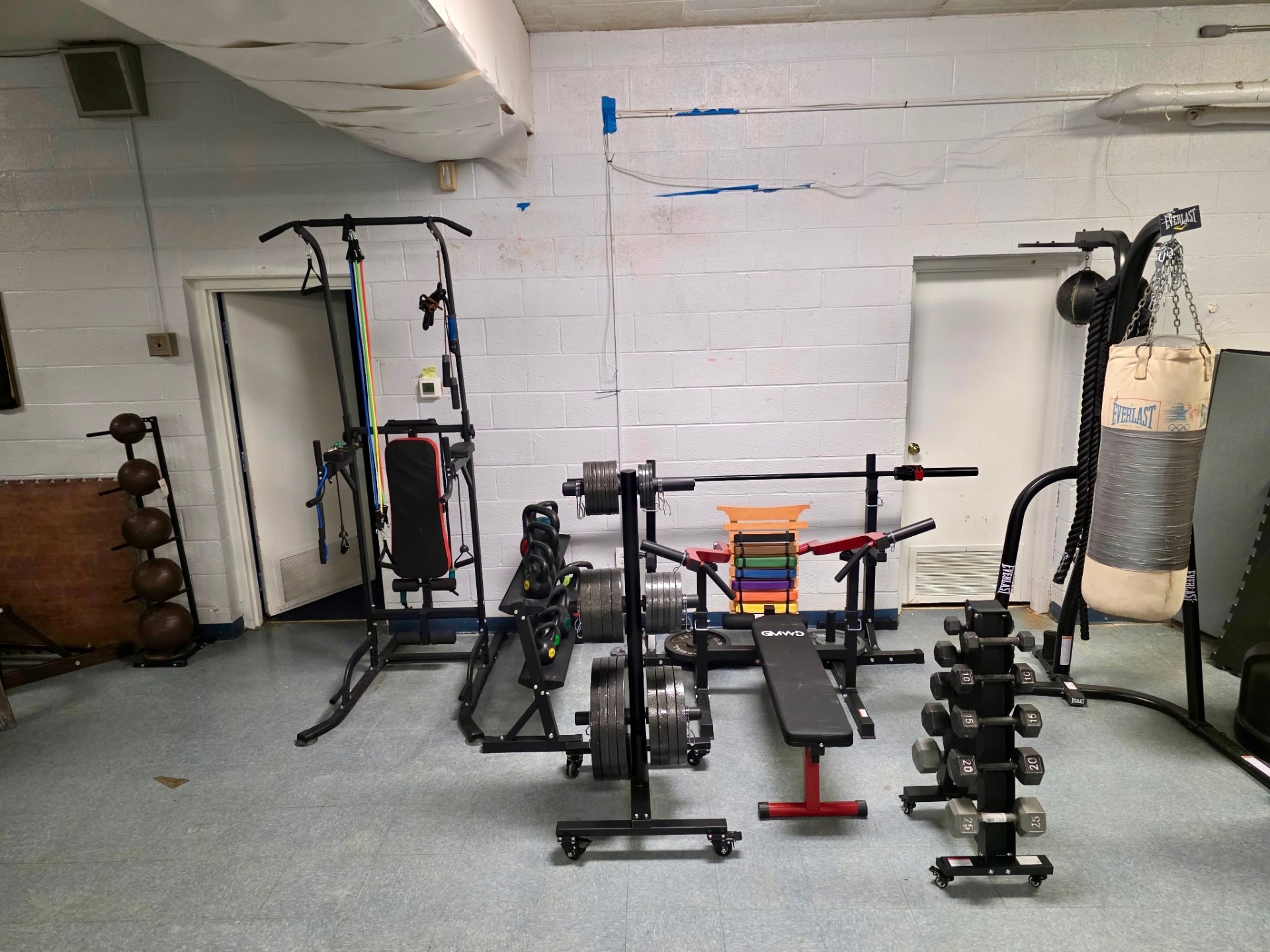
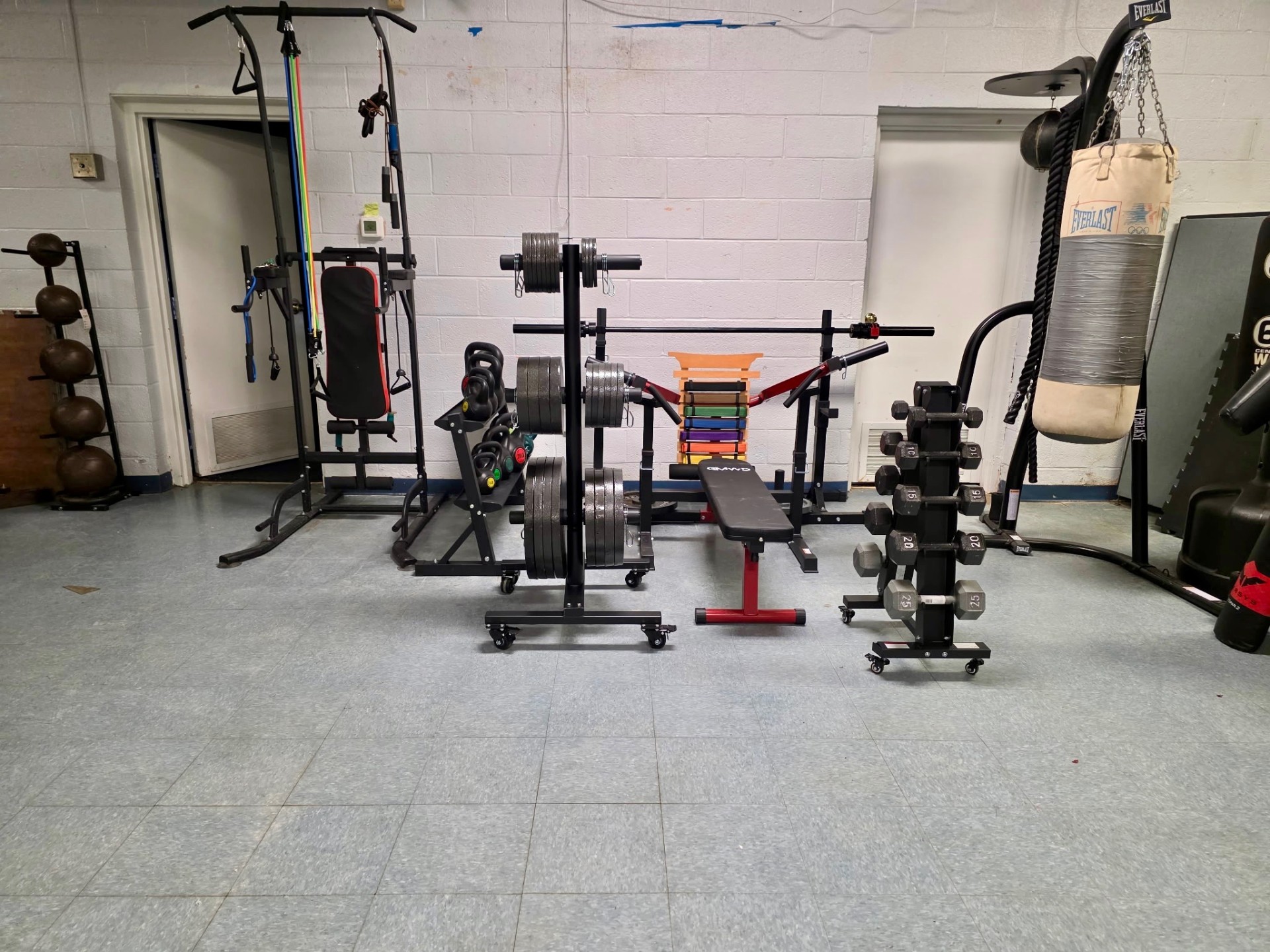
Karate builds the warrior. Iron forges the body.
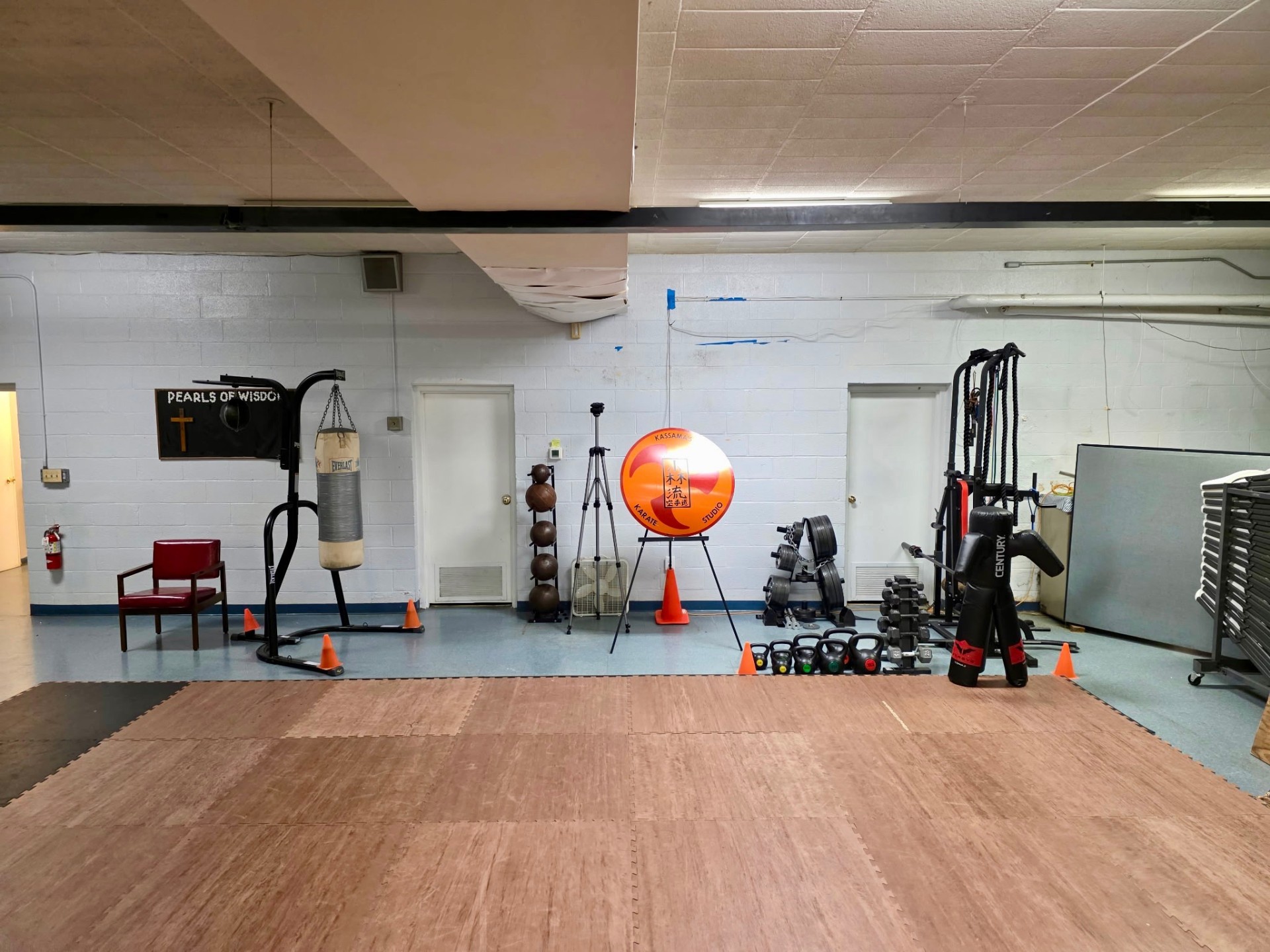
Most martial arts schools stop at form. We don't. Behind every kata at Kassama's is a full strength and conditioning floor — kettlebells, barbells, dumbbells, cable machines, battle ropes, and every tool needed to build the kind of body that can actually do the karate when it counts.
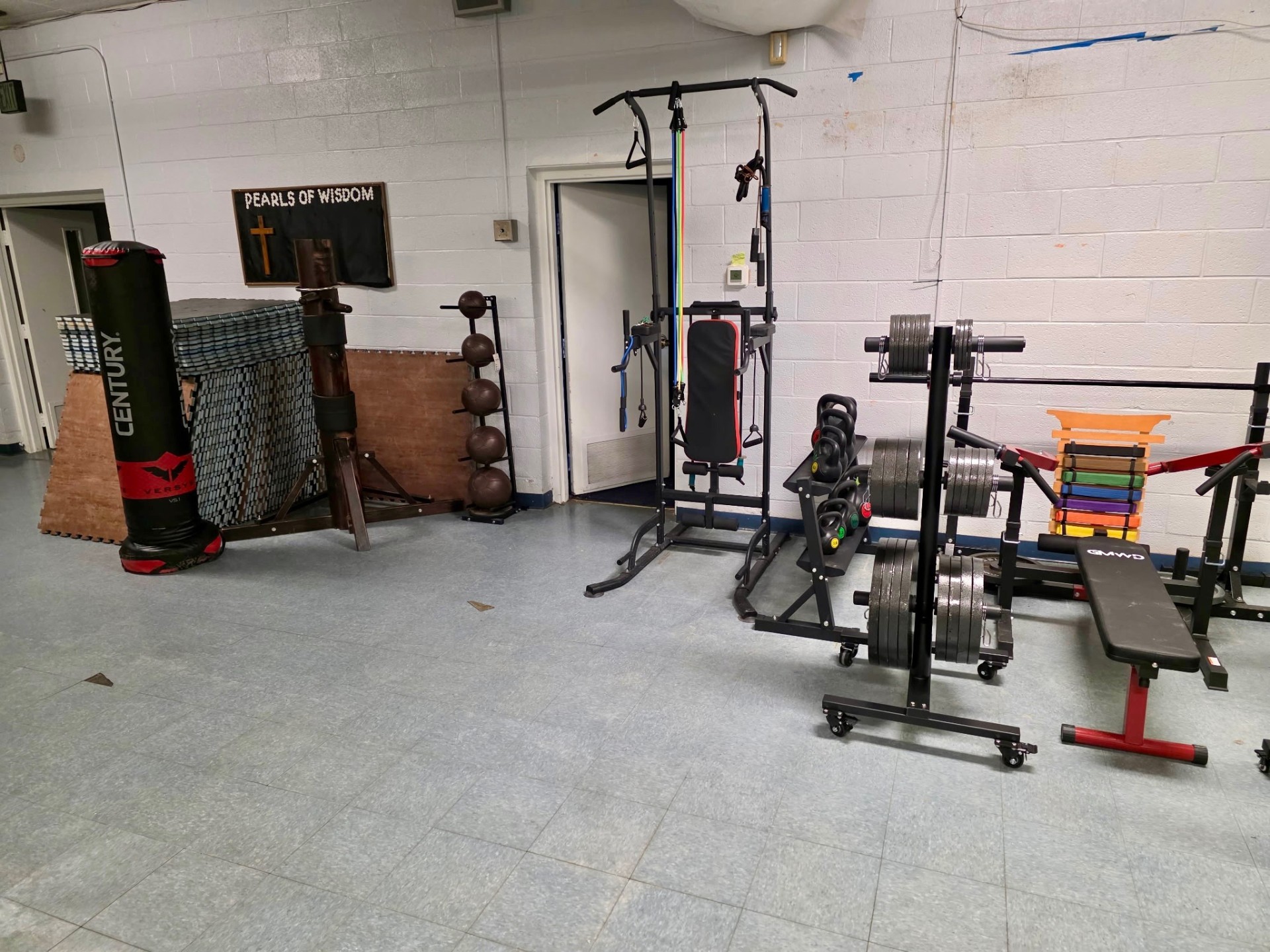
The wall reads "Pearls of Wisdom." Sensei means it.
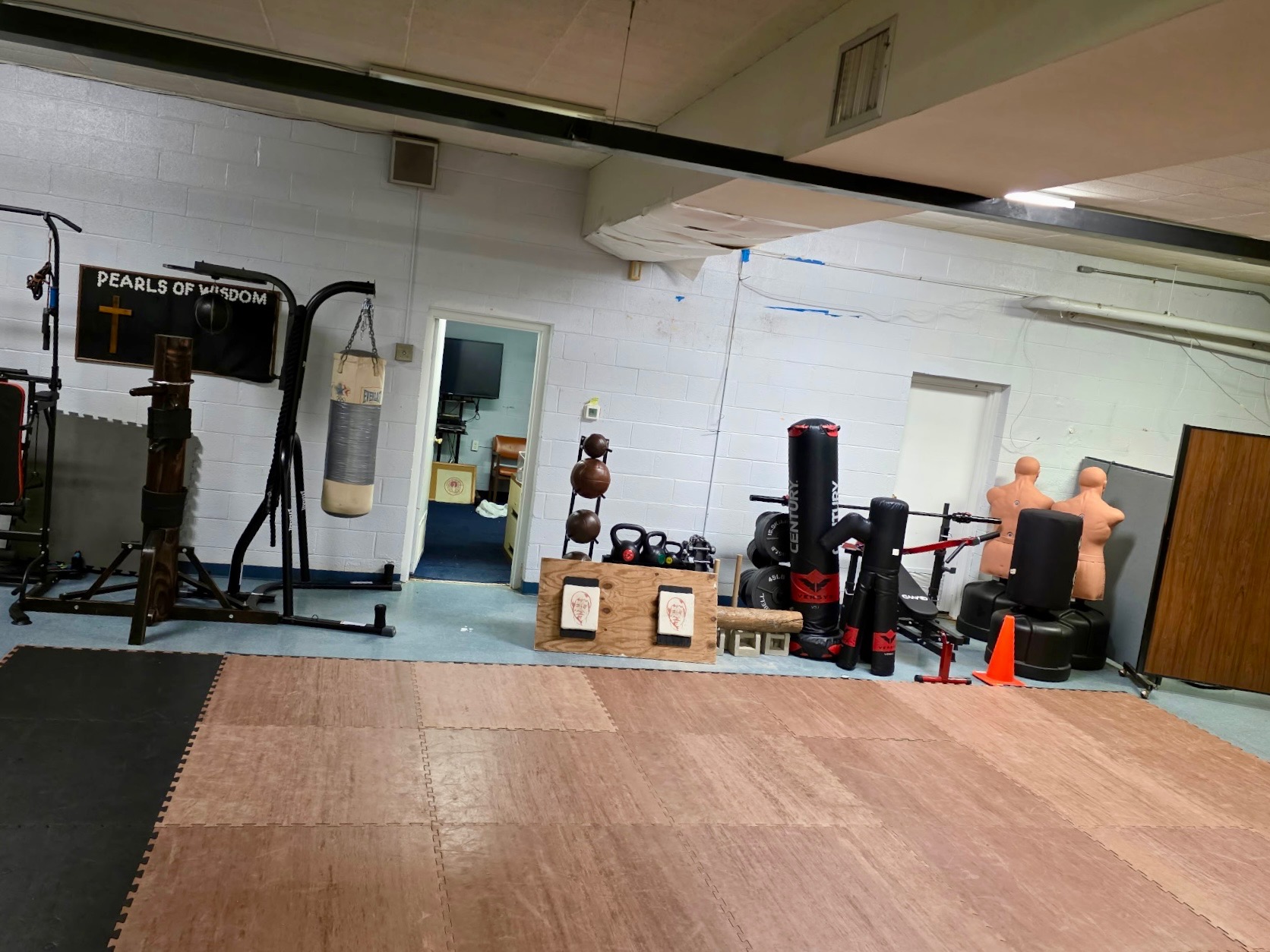
Hung above the makiwara post, in the corner where the wing-chun dummy stands, is a hand-painted sign Sensei made years ago: Pearls of Wisdom. Below it, a cross. It is not decoration. It is a reminder that what is taught here extends beyond fighting — into faith, family, and the way a person carries themselves long after they leave the dojo.
"A black belt is a white belt who never quit."
"Train so well the day you don't need to fight is every day."
"Respect everyone. Fear no one. Learn from all of it."
"The dojo is a mirror. Don't look away."
From white to black. Every belt has a story.
Tap any belt to see what's required, what changes in your training, and what your child or you can expect at that rank. No shortcuts. No skipped steps. Just the path, walked one belt at a time.
A path for every age, every goal.
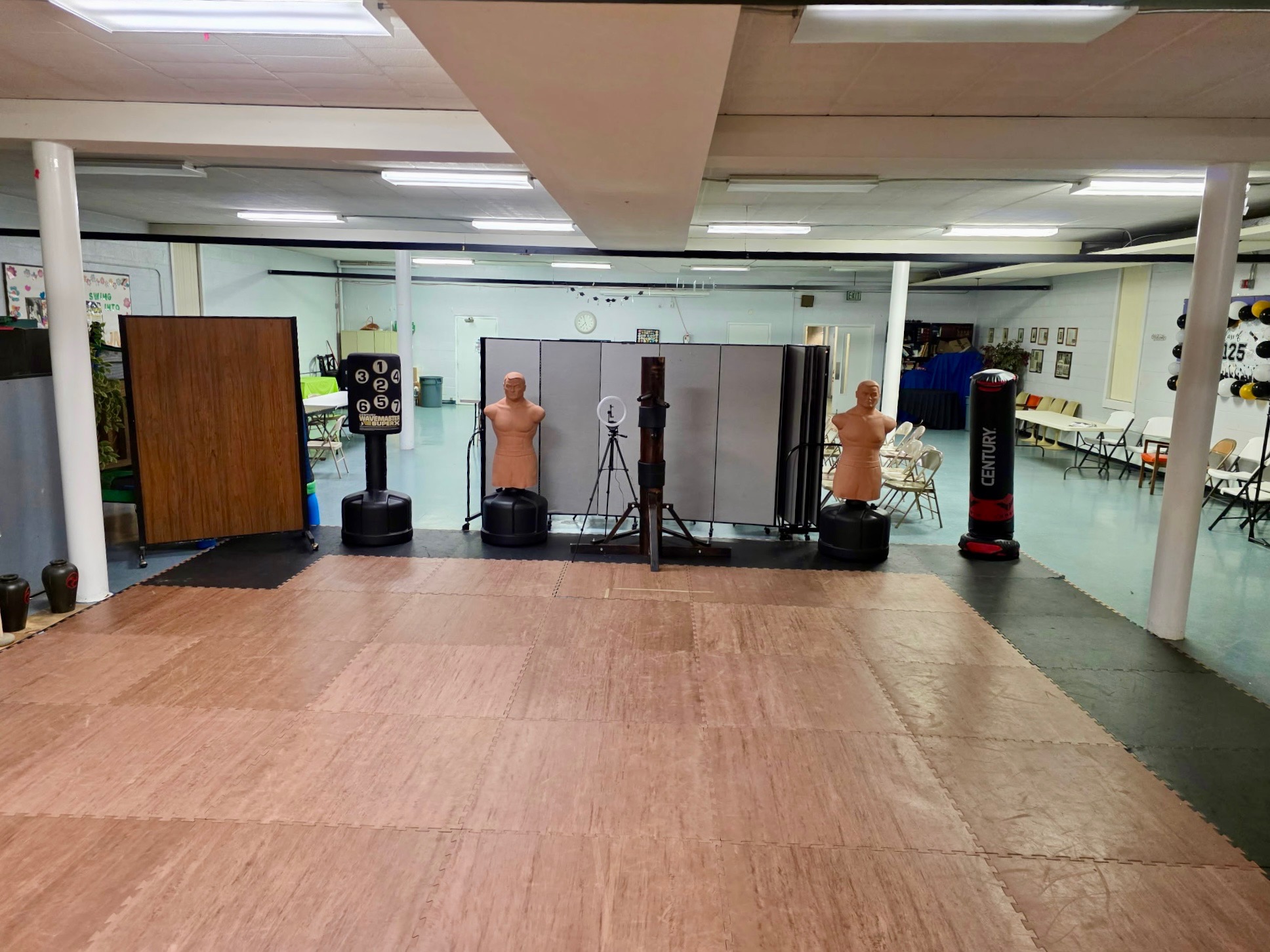
Step inside. This is where you'll train.
Wood-and-mat training floors. A full strength room. Wing-chun dummies, makiwara posts, heavy bags, speed bags, kettlebells, and a wall lined with the belts of every student who's walked this path. No mirrors. No music. Just focus, breath, and the sound of a real dojo at work.
90 minutes that change how you carry yourself.
Every class at Kassama's follows the same time-tested rhythm — built to develop both skill and character, every single time you step on the floor.
- 100:00
Bow-In · Mokuso (Quiet Mind)
Class begins in silence. We bow to the dojo, to Sensei, and to each other. Quiet minds train better.
- 200:05
Warm-Up & Conditioning
Dynamic stretching, calisthenics, kettlebell drills — body prepared for what comes next.
- 300:20
Kihon · Fundamentals
Stance work. Punches. Blocks. Kicks. The foundation under every belt above white.
- 400:40
Kata · Forms
Traditional Shōrin-Ryū kata — slow, precise, and progressive. Belt-appropriate progressions.
- 501:05
Application · Bunkai & Self-Defense
We turn every kata into a real self-defense response. This is where karate becomes useful.
- 601:25
Bow-Out · Reflection
Class ends the same way it began — with a bow, a breath, and a personal word from Sensei.
5:45 PM to 7:30 PM. A life rebuilt, one class at a time.
This is what an evening at Kassama's actually looks like — from the moment the lights come on, to the final bow before everyone heads home.
Sensei is already on the floor. Lights low. Mat swept. The first students filter in, pull off shoes, line up their gear.
Class lines up by rank. White belts in front, black belts in back. A single bow — to the dojo, to Sensei, to each other. Then silence. Quiet minds train better.
Stance. Punch. Block. Kick. The same fundamentals every black belt still drills. Repetition is the prayer of karate.
Belt-appropriate forms. Sensei walks the floor, correcting one stance at a time. The lineage moves through every body in the room.
Every kata becomes self-defense. Partner up. Move slow first, then real speed. This is where karate becomes useful in the real world.
Class ends with a personal note from Sensei — a piece of philosophy, a story, a correction, a praise. Then the bow. Then the families head home, a little more themselves than they walked in.
From a small Okinawan dojo to Banister Road.
Click any photo to open the full story. This is the bloodline of every kata, every stance, every belt earned at Kassama's.
- 1980sFirst Bow
Begins traditional Okinawan karate as a young student in Baltimore.
- 1990sBlack Belt
Earns Shodan after years of consistent training under master-ranked instructors.
- Multiple TripsOkinawa Pilgrimage
Travels to Okinawa to train directly at the source — the birthplace of karate itself.
- 1990s+Founds Kassama's Karate Studio
Opens the doors at Banister Rd. with one mission: bring authentic Shōrin-Ryū to Baltimore.
- TodayRed Belt Master
Has trained 500+ Baltimore students. Still on the floor every week. Still bowing in first.

Real faces. Real ranks. Real Baltimore families.
Tap any student to read their story — or the picture button to open the full gallery. These are the people you'll bow to on day one.
What our karate family says.
10 real stories from students, parents, and lifelong warriors across Baltimore.
Before you step on the mat.
Do I need any experience to start?+
Absolutely not. Most of our students walked in with zero experience. Sensei Kassama meets you exactly where you are — beginners are welcome any day of the week.
What's included in the free trial class?+
A full hands-on class, a tour of the dojo, a one-on-one chat with Sensei, and a personalized recommendation on which program fits you or your child best. No pressure, no commitment.
How young can my child start?+
Our Little Dragons program starts at age 4. We focus on listening, focus, and confidence through play-based karate. Most parents see school behavior improve within weeks.
Is this self-defense or sport karate?+
Authentic Okinawan Shōrin-Ryū — the original karate, designed for real self-defense. We don't chase trophies; we build skill, character, and people who can protect themselves and their families.
What should I wear to my first class?+
Comfortable athletic clothing and bare feet (we train barefoot on padded mats). When you enroll, we'll help you get fitted for your gi (uniform).
Do you offer family discounts?+
Yes — families that train together stay strong together. Ask Sensei about our family pricing when you visit.
How long does it take to earn a black belt?+
At Kassama's, the average is 5–10 years of consistent training. We promote on readiness, not on a calendar — which is exactly why our black belts mean something.
Where exactly are you located?+
2604 Banister Rd, Baltimore, MD 21215 — easy access from Park Heights, Pikesville, Mt. Washington, Owings Mills, and Reisterstown. Free parking on site.
Step on the mat. Change your life.
Your free trial is waiting. Bring your kid, bring yourself, bring the whole family. We'll meet you exactly where you are — and show you what's possible.